What It’s Like To Live In West Eugene
July 23, 2026
July 23, 2026
Wondering what daily life in West Eugene actually feels like? If you are trying to picture more than just a map pin, you are not alone. West Eugene can be a practical choice for buyers who want a mix of housing, access to nature, and convenient routes across town. This guide will help you understand the area’s layout, lifestyle, transportation, and overall feel so you can decide whether it fits the way you want to live. Let’s dive in.
West Eugene is best understood as a west-side cluster rather than one formal district. According to City of Eugene materials, the area includes a broad mix of residential, commercial, industrial, park, transportation, and natural-resource land. That blend shapes the day-to-day experience and gives the area a more functional, lived-in feel.
If you are expecting a master-planned neighborhood with one consistent look, West Eugene may feel different. It is more varied and utility-driven, with homes, businesses, major roads, and open space all playing a role in how the area works. For many buyers, that variety is part of the appeal.
Living in West Eugene often means being close to the practical parts of daily life. The city’s neighborhood analysis points to a land-use pattern that includes single-family homes, multi-family housing, manufactured dwelling land, retail trade, industrial land, parks, roads, and transportation uses. In real life, that can mean errands, work routes, and recreation are often part of the same side of town.
Resident feedback in the city’s West Eugene neighborhood survey adds important context. Survey responses described the area as friendly and active, and some residents noted being able to walk to groceries, work, and the Amazon Path. That suggests a part of Eugene where convenience and routine matter as much as curb appeal.
Quality of life was viewed positively overall in that survey, though residents also pointed to areas they wanted improved. The most common concerns included safety and traffic congestion, followed by neighborhood appearance and biking or walking conditions. If you are considering a move here, it helps to think of West Eugene as a place with real strengths and real tradeoffs.
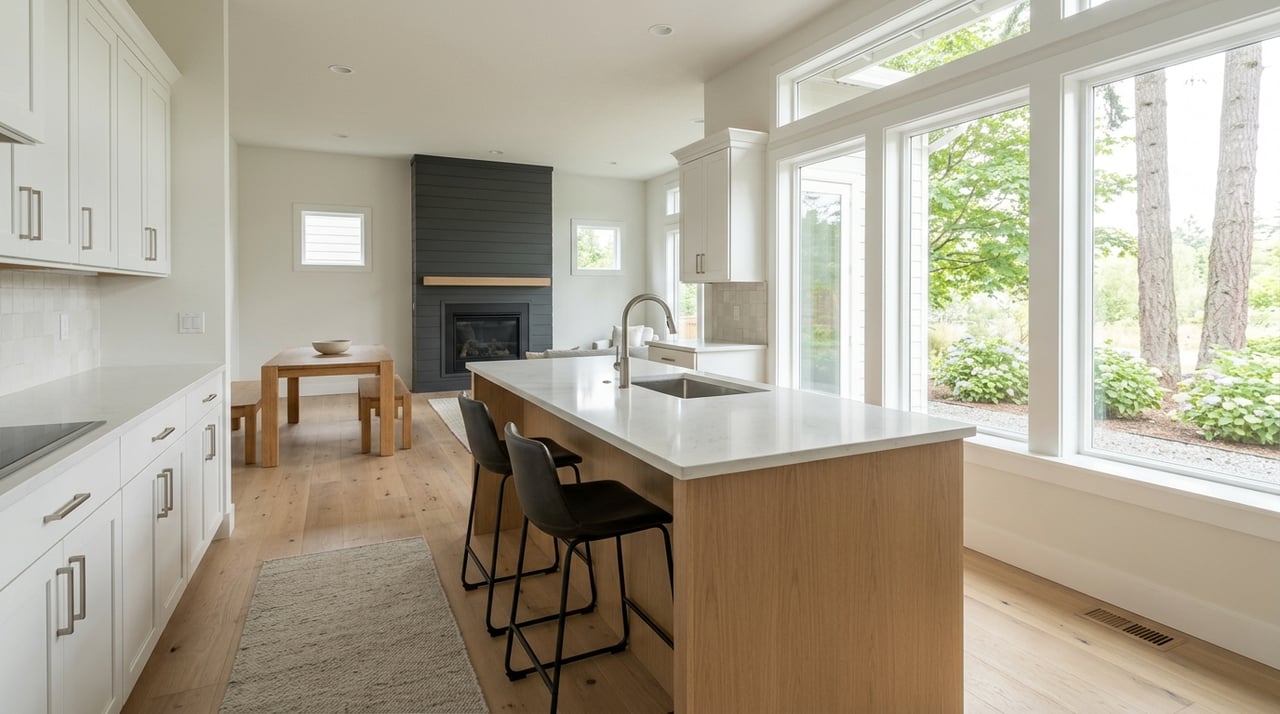
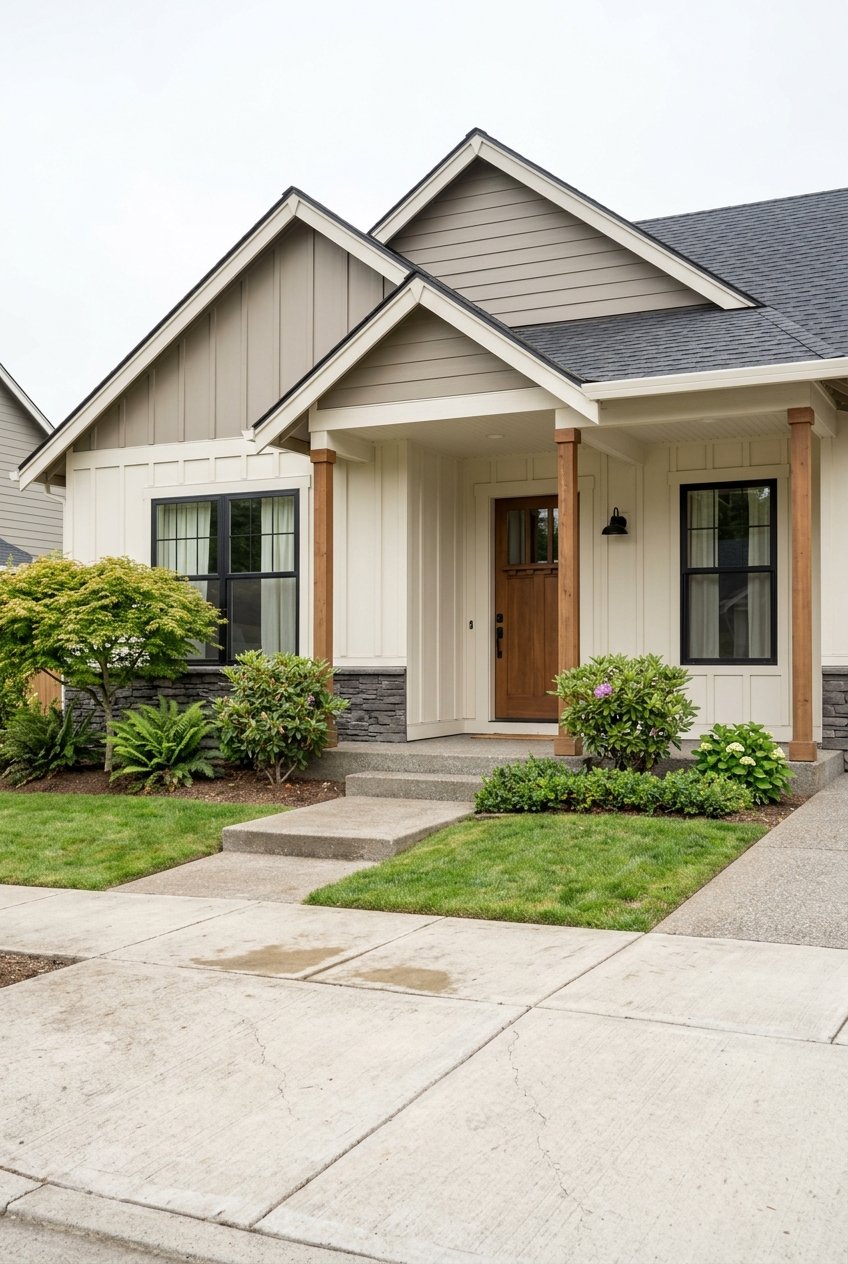
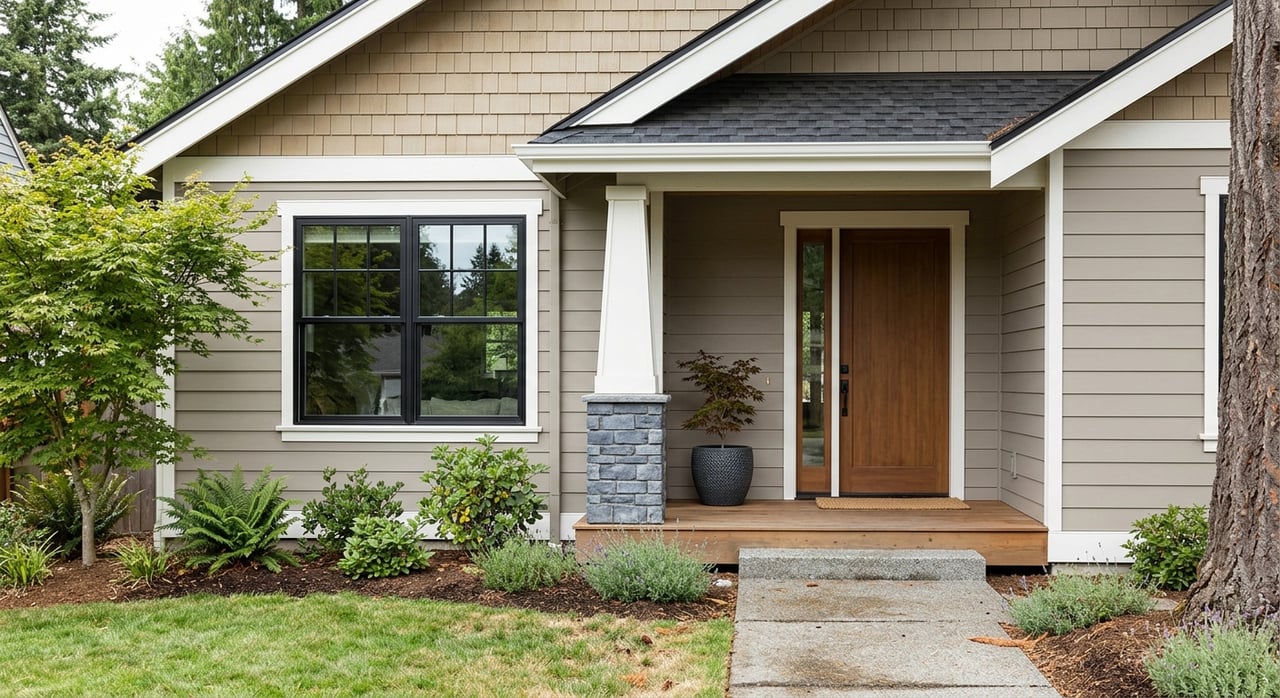
West Eugene offers variety rather than one dominant housing style. City neighborhood analyses for nearby west-side areas such as Bethel and Churchill show homes from multiple eras, including older pre-1940s housing and post-2000 construction. That supports a broader west-side picture where housing can feel diverse in age, layout, and setting.
This can be helpful if you want options. Depending on where you look, you may find older homes with established surroundings, newer construction, or properties near mixed-use corridors. For buyers who prefer flexibility over uniformity, West Eugene may open up more possibilities.
For sellers, that variety also means pricing and positioning matter. Two homes on the west side may offer very different experiences based on proximity to trails, major roads, commercial areas, or quieter residential pockets.
One of West Eugene’s biggest lifestyle advantages is its access to nature. The West Eugene Wetlands cover nearly 3,000 acres west of downtown and include wet prairie, uplands, rare plants, wildlife, and public spaces used by bikers, pedestrians, families, and school groups. The city also notes that the wetlands support recreation, education, research, and everyday enjoyment.
If spending time outside matters to you, this is a major part of West Eugene’s identity. The wetlands give the area a different feel than neighborhoods that are mostly residential or commercial. You can be in a practical part of town and still have meaningful access to open space.
Bertelsen Nature Park adds another outdoor option on a smaller scale. The park includes nature trails, a viewpoint, a wildlife viewing blind, and routes that pass pond, prairie, oak, and riparian habitat. It is the kind of amenity that can make quick walks, weekend outings, or low-key outdoor time easier to fit into your routine.
West Eugene also benefits from useful trail connections. The Fern Ridge Path runs 7.2 miles from the Lane County Fairgrounds to Meadowlark Prairie near Greenhill Road. Current city lighting work on part of the route shows continued investment in making the path more functional for everyday use.
The Commerce Connector Path and Bridges link the Fern Ridge Path to West 11th Avenue, improving bike and walking access to errands and destinations. That matters if you want alternatives to driving for at least part of your week. In West Eugene, active transportation is not just recreational. In some areas, it can connect to daily life.
This does not mean every trip will be easiest on foot or by bike. But it does mean the west side has infrastructure that can support a more flexible routine, especially if trail access is high on your list.
Transportation is a major part of the West Eugene experience. The area is shaped by key corridors, and many people rely on them for commuting, shopping, and getting across town. If you drive regularly, that road access can be useful, but it also comes with congestion in some places.
ODOT identifies the Beltline Highway segment from River Road to Delta Highway as one of the most congested areas in the Eugene-Springfield region. For buyers thinking about commute times or daily driving patterns, that is worth factoring into your decision. Your experience in West Eugene may depend partly on when and where you travel most often.
At the same time, West Eugene is not car-only. LTD’s EmX connects West Eugene with downtown Eugene, the University of Oregon, downtown Springfield, and Gateway-RiverBend. Weekday service every 10 to 15 minutes makes it a realistic option for some commuters and regular riders.
That combination gives West Eugene a practical middle ground. You can drive when you need to, but you may also have meaningful transit and trail alternatives depending on your location and schedule.
West Eugene is not polished in a one-note way, but that can be part of what makes it feel authentic. The city’s survey and land-use materials point to a neighborhood environment where people live near services, work-oriented areas, and recreation. That often creates a community feel rooted in everyday function.
One local convenience worth noting is the Bethel Branch Library on Echo Hollow Road. It is one of the Eugene Public Library system’s three branches and offers free parking and regular hours. Amenities like that can help make a neighborhood feel usable and established, especially if you value nearby public resources.
Overall, West Eugene tends to feel varied, active, and grounded in real daily life. It may not offer a single image or style, but it does offer a blend of access, utility, and outdoor connection that many buyers find appealing.
West Eugene can make sense for different kinds of buyers. If you want access to trails, wetlands, and open space without giving up connection to major roads and city services, the area offers a strong mix. If you value housing variety, that can also work in your favor.
It may also appeal to people who like neighborhoods that feel functional rather than overly planned. With mixed land uses, different housing types, and a practical west-side rhythm, the area can suit buyers who care more about how a place works than whether everything matches.
For sellers, understanding that lifestyle mix is important. Buyers are often responding not just to the home itself, but to how the location supports errands, commuting, trail use, and day-to-day convenience.
West Eugene feels like a mixed-use, lived-in part of Eugene with more variety than uniformity. Its character comes from the blend of homes, commercial areas, transportation routes, and standout natural spaces like the West Eugene Wetlands and Fern Ridge Path. If you are looking for a neighborhood area with practical convenience and meaningful outdoor access, West Eugene is well worth a closer look.
If you are thinking about buying or selling in Eugene, working with a local advisor can help you compare west-side options with your goals, budget, and daily routine. For personalized guidance on Eugene-Springfield neighborhoods and your next move, connect with Troy Slonecker.
Stay up to date on the latest real estate trends.
Whether you're buying, selling, or investing, Summit Realty is committed to providing expert guidance, personalized service, and exceptional results every step of the way.
GET IN TOUCH WITH OUR TEAM TO LEARN MORE